
Dmitri Levitin
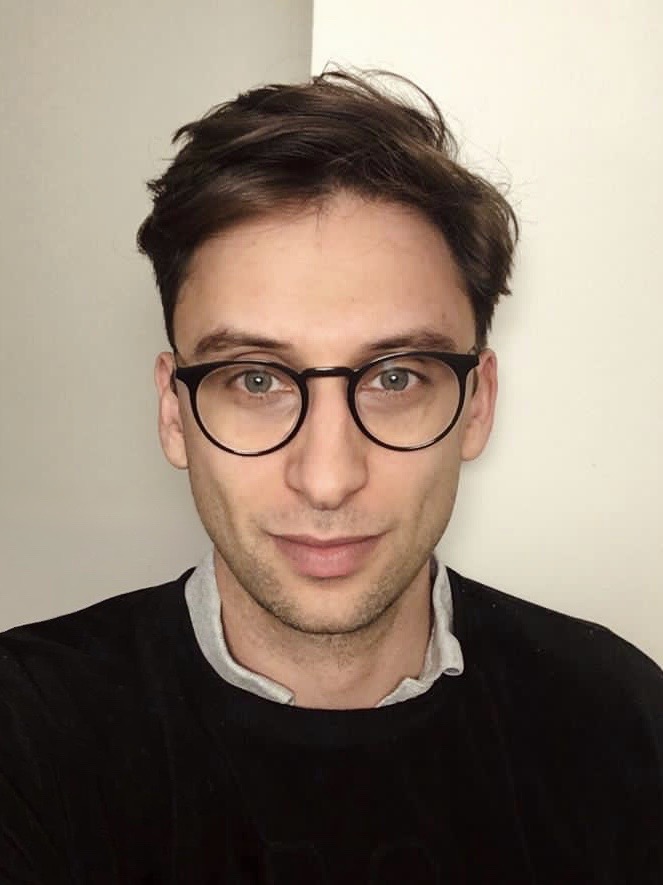
I’m a historian, based at All Souls College in Oxford. The kind of history that I do goes by several names: history of knowledge, intellectual history, history of ideas, and so on. But in essence, I’m interested in how pre-modern human beings conducted systematic inquiry about the world, and how and why knowledge changes over time.
I was born in the Soviet Union, but was fortunate to grow up in Edinburgh, in Scotland. I undertook my studies at Cambridge, and have held academic posts at Trinity College, Cambridge; All Souls College, Oxford; and the University of Utrecht; I have also held visiting posts at the Folger Library in Washington DC, and at the Rogers Research Institute at Caltech and the Huntington Library, in Los Angeles. I will be spending the academic year 2025–26 at the Wissenschaftskolleg zu Berlin. In 2016, I was awarded the inaugural Leszek Kołakowski Prize. In 2025, I was awarded the Dan David Prize, the world’s largest history prize.
I’ve written about the histories of science, philosophy, medicine, scholarship and the humanities, theology, orientalism, and legal and political thought, primarily in the early modern period (1400–1800), but also beyond. I’m particularly passionate about integrating intellectual history and the history of education – I’ve come to believe that the former is impossible without the latter. More generally, the history of pre-modern knowledge is currently a very exciting field: if you’d like to know more about it, you might enjoy this Blog on the website of the Oxford Centre for Intellectual History.
You can follow up my writings on the Publications and Non-Academic Writing pages. My books, Ancient Wisdom in the Age of the New Science (2015) and The Kingdom of Darkness (2022) were both named Books of the Year by the Times Literary Supplement. I have recently completed a book intended for a broader audience on the history of sciences and humanities from ancient Mesopotamia to the 18th century, focussing especially on the connection between educational structures and intellectual change.
Like all academics, the most important thing I do is teaching. If you are a student – anywhere in the world – please don’t hesitate to Contact me to ask for copies of articles, or if you have any other queries.
UKRAINE CRISIS: Following the criminal invasion of Ukraine by the Russian Federation, many Ukrainian academics are in need of financial, material, and other forms of assistance. If you would like to help, the best place to start is by supporting the programme run by the Council for Academics at Risk (CARA).
 Dmitri Levitin